Septic Inspection for Home Sales in Dauphin County: What Buyers and Sellers Need to Know
Schedule NowSeptic Inspection for Home Sales in Dauphin County: What Buyers and Sellers Need to Know
When you're buying or selling a house in Dauphin County, a septic inspection isn't just a box to check — it's a big deal. Septic systems are a fact of life for many properties outside city limits, and their condition can make or break a sale. Both homeowners and buyers need to understand how these inspections work, why they matter, and what the local rules require. If you get it wrong, you risk delays, legal headaches, or expensive surprises after closing.
This guide breaks down everything you need to know about septic inspections in Dauphin County real estate, covering the rules, the process, the costs, and what to do if your system isn't up to par. We'll help you see what's expected, where the risks lie, and how to handle every step with confidence. Whether you're trying to pass your system onto a new family or making sure your dream home isn't hiding a mess out back, we've got the plain-language answers you need.
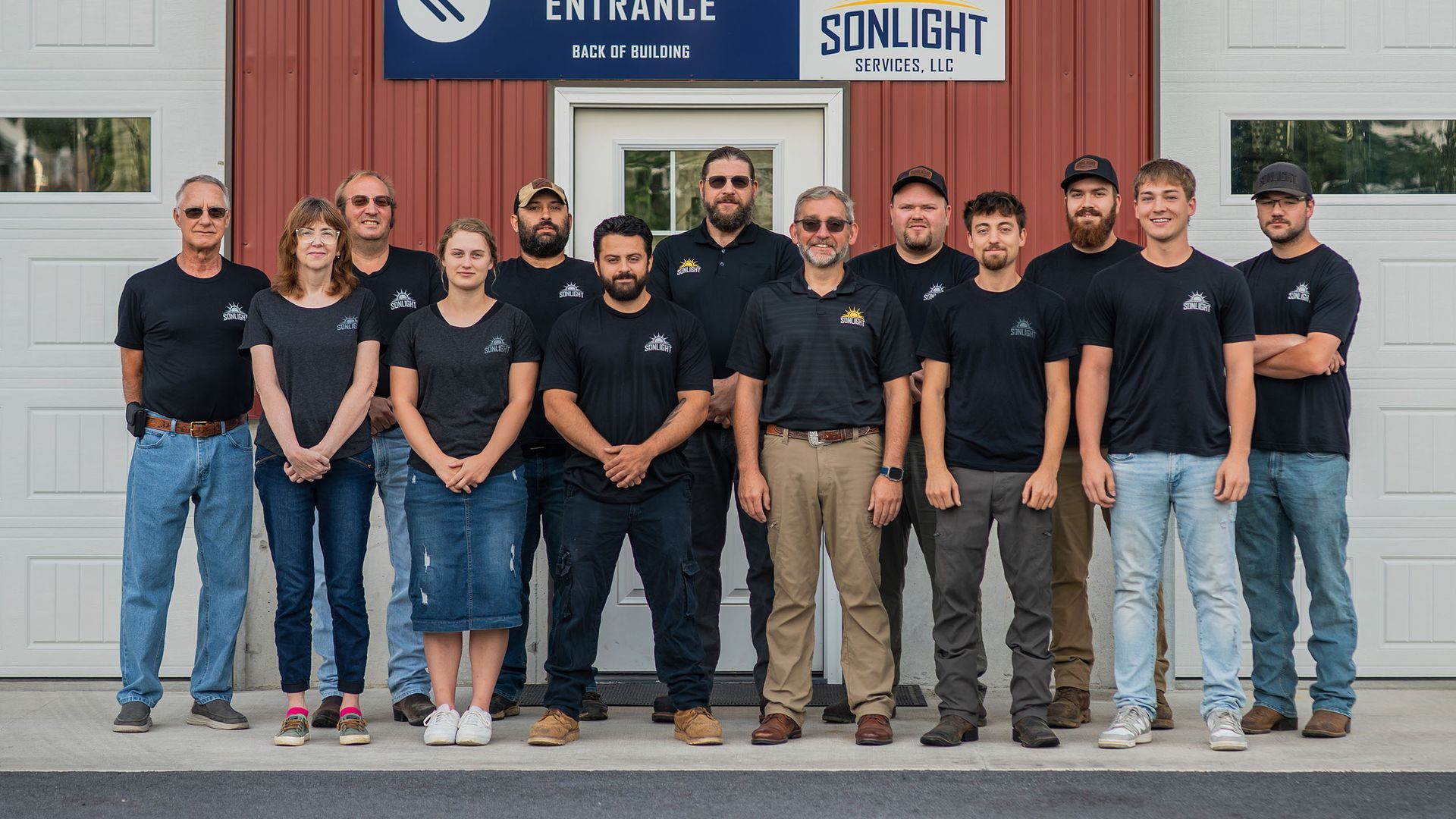
Understanding Septic Estate Inspections and Risks in Dauphin County Real Estate
If you're dealing with a property in Dauphin County that relies on a septic system, there's a lot more to think about than with homes on public sewer. Septic systems quietly handle all your household waste underground, which means when it comes time to sell — or buy — a little mystery lurks beneath the lawn. Inspections are designed to take the guesswork out of what's happening underground.
Most home sales in this area require some kind of septic evaluation, often prompted by mortgage lenders, buyers' agents, or municipal codes. The reason is simple: a failing septic system doesn't just impact your backyard — it can threaten well water, decrease property value, and land you in hot water with the law if you don't follow proper procedures. Plus, problems with septic systems often go unnoticed until they erupt into a far bigger (and messier) problem.
That's why septic estate inspections do more than just protect buyers — they also help sellers present their property honestly, avoid post-sale disputes, and comply with local real estate regulations. Navigating these requirements can feel complicated at first. But once you know the basics — why inspections are needed, what risks they address, and who's checking for what — it all starts to feel a little less daunting. We'll dig deeper into the specifics, but understanding the stakes upfront sets the right expectations for everyone at the closing table.
Municipal and State Requirements for Septic Inspection and On-Lot Systems
In Dauphin County, both state and local governments play a role in regulating septic systems — often called on-lot sewage systems. Pennsylvania sets the baseline rules through the PA Department of Environmental Protection (DEP), but each township or borough may add its own layer of requirements. For real estate transactions, compliance isn't optional: many municipalities mandate a passing inspection before you can transfer ownership.
The gold standard for inspections here is the PSMA/NOF (Pennsylvania Septage Management Association/National Onsite Foundation) protocol. Most lenders and municipal offices expect a certified PSMA/NOF inspector to conduct the evaluation, which involves a visual check, a review of maintenance records, and specific testing. As a DEP-licensed, PSMA-certified provider, we handle this process daily, and the local sewage enforcement officer (SEO) usually oversees permitting, repair approvals, and ensuring the system meets all codes.
Home sellers are required to provide valid inspection documentation if the municipality asks. In some townships, you might need a pumping receipt, repair log, or even proof of a system upgrade if repairs were needed. We handle township inspection reporting digitally and submit it directly to your municipality, so there's no lost paperwork. Buyers should make sure the inspection is recent — usually within a year — and performed by someone trained and certified for septic estate inspections under state guidelines. The rules aren't just paperwork; they protect public health, property value, and make sure every home sale is legit in the eyes of the law.
The PSMA/NOF Inspection Process: Steps and What to Expect
Let's put the mystery to rest about what happens during a standard PSMA/NOF septic inspection in Dauphin County. The process is designed to uncover hidden problems, confirm the system works as intended, and protect everyone's investment. Whether you're the seller hoping everything's in working order or the buyer eager to avoid an expensive headache, understanding the steps makes the whole thing less stressful.
During the inspection, our certified technicians review maintenance records, visually inspect all system components above and below ground, and check for obvious damage or illegal modifications. One of the big elements is the hydraulic load test — basically simulating daily use to see if the system can keep up without backing up or leaking. We also look for evidence of ponding near the drain field, issues with the tank's structural integrity, and compliance with local permits.
This baseline inspection doesn't just reassure the buyer. It also gives sellers key proof that the system is running as it should — a real asset when negotiating price, closing timelines, or addressing small repairs before the final handshake. Knowing what will be examined helps everyone go in with clear expectations. Next, we'll dig into what these inspections cost and what they might miss.
PSMA/NOF Inspection Costs and System Limitations in Dauphin County
In Dauphin County, a typical PSMA/NOF septic inspection will cost anywhere from $350 to $600, depending on the provider, property size, system complexity, and whether additional testing is required. This usually covers paperwork review, visual system checks, and a hydraulic load test. Pumping the septic tank — which is sometimes required for an accurate inspection — is usually an extra $250 to $400. You can find our current rates on our pricing page.
Repairs and further diagnostic work aren't included in the base inspection price. If we find a crack in the tank, a clogged line, or a failed drain field, we'll provide a separate estimate for those repairs, or for soil evaluation tests and permitting. The inspection itself focuses on visible issues and standard operational checks. It won't x-ray your system, guarantee future performance, or spot every potential problem lurking underground.
Some limitations to keep in mind: a PSMA/NOF inspection won't look inside inaccessible parts of your system, test for groundwater contamination, or guarantee approval if your system is non-compliant with new code. Severe weather, frozen ground, or a recent high water table can make certain elements — like evaluating the drain field — challenging or inconclusive. If problems are discovered, a more extensive evaluation or a second visit (with its own fees) might be the next step.
Essential Tips for Selling a Home with a Septic System in PA
Selling a house with a septic system in Pennsylvania is a little different than selling one hooked up to public sewer. You can't just tidy up the lawn and hope for the best — you'll want to anticipate the buyers' concerns, the legal disclosure requirements, and the possibilities for small repairs making a big difference. Knowing the ins and outs ahead of time is our best friend when it comes to a smooth sale.
Transparency is the name of the game. Sellers are required to disclose the age, location, and service record of the septic system as part of the real estate transaction. It's wise to consider a pre-listing inspection, because catching issues early means you can fix them on your timeline rather than scrambling in the middle of negotiations. We recommend pumping the tank before inspection, and keeping those maintenance records handy can help justify your asking price.
There are strategies for small issues, too. Minor repairs — like fixing a loose tank lid or replacing a baffle — can move the sale along and instill confidence in buyers. Our septic repair team can typically turn these around quickly so they don't hold up a closing. Handling the inspection schedule, deciding who pays, and knowing when to negotiate over repairs are all part of the process. Staying proactive helps avoid last-minute surprises that could jeopardize closing.
Who Pays for a Municipal Septic Inspection During Buyer Closing
In most Pennsylvania home sales, it's common for the buyer to pay for the septic inspection as part of their due diligence. That said, there's no hard rule — sometimes sellers cover the cost to make their listing more attractive or as a result of negotiation. The purchase agreement lays out who is responsible, so check those terms early.
If issues are found during inspection, buyers often request repairs or a price reduction as part of the closing negotiations. Major repair needs can slow down closing or even prompt the seller to replace the system (often at their expense) before the deal goes through. Sorting out who pays before the inspection helps everyone avoid disagreements as settlement day approaches.
Why Homeowners and Agents Choose Us for Septic Inspections
Finding the right septic inspector in Dauphin County takes a little bit of legwork, but it pays off in fewer headaches later. We're PSMA/NOF certified, which means we're trained to do a thorough, code-compliant inspection and know our stuff about local requirements. We're happy to provide proof of credentials any time you'd like to see them.
We also cover all of Dauphin County, plus Lancaster and Lebanon and the surrounding region, so wherever your property sits, we know the municipal or township-specific forms, seasonal restrictions, and county health department permitting quirks that come with it.
With over 25 years of experience and 900+ five-star reviews, we've worked with SEOs (Sewage Enforcement Officers) across the region and are familiar with both traditional and alternative on-lot systems. With us on the job, you'll have no problem getting your inspection report accepted by buyers, lenders, and local authorities. See what your neighbors have to say on our reviews page, or learn more about our team.
If the Septic System Fails: Repair, Replacement, and Negotiation
No one wants to hear that a septic inspection has failed — but if it happens, knowing your options keeps the real estate deal from falling apart. Failing systems aren't just about the repairs — they bring the law, the bank, and both buyers' and sellers' nerves into the mix. The first step is usually to get a detailed repair or replacement estimate from us, which often requires an additional system evaluation or a soil suitability assessment.
Repairs can range from a simple baffle or pipe replacement to a more complex overhaul of the drain field — something our septic field remediation service is built to handle without jumping straight to full replacement. In other cases, the whole system may need replacing, especially if it doesn't meet modern code or contaminates nearby wells. That's when our septic system installation team steps in, and the permitting process with the Dauphin County Conservation District or Department of Public Health comes into play. They'll check for proper design, require a perc (percolation) test, and handle approvals. The timeline and cost can vary based on the system type, property size, and weather conditions.
If you're the seller, you may be expected to handle repairs or offer a price concession. Buyers often negotiate for repairs to be completed before closing or place money in escrow until the work is done. The law may prohibit transferring a home with a failed system, so repairs aren't optional. Having all the facts and clear communication between buyer and seller helps avoid bitter disputes and gets everyone to the settlement table with less drama.
Schedule Service Today: How to Book Your Septic Inspection
- Gather your info. Before you call or click, have the property address, contact details, and any maintenance records handy. This speeds up the booking process.
- Choose your method. Request a quote online, call us directly, or email our service desk — whatever works best for you.
- Pick your time. Ask about our soonest available dates. Remember, real estate deals run on a timeline, so book early to avoid delaying your sale or closing.
- Count on local expertise. We're PSMA/NOF certified and deeply familiar with Dauphin County requirements, so you're covered from the first visit through final approval.
- Follow up. After booking, check your inbox or voicemail for appointment confirmation and any pre-inspection instructions. Quick action here keeps your real estate transaction on track.
Timely scheduling moves you one step closer to a smooth home sale or purchase, backed by a team that knows the local rules inside and out. Book your septic inspection with Sonlight Services today, or check out our FAQ page if you have more questions before you get started.
Sonlight Services