Commercial Septic Systems: Practical Guidance
Commercial septic systems manage onsite wastewater for businesses, handling higher daily flows and stronger waste than homes. This guide covers their function, system choices, Pennsylvania permitting, and maintenance.
How Commercial Septic Systems Work
These systems manage large volumes of business wastewater. Waste enters a primary tank for solids separation, followed by biological treatment. Treated effluent is then dispersed or discharged, meeting regulations.
Key Components
Core components include the septic tank, distribution boxes/dosing pumps, and grease traps/interceptors. Regular checks are vital.
- Materials: Concrete, HDPE, stainless steel.
- Maintenance: Regular tank pumping, ATU pump alarms, frequent grease interceptor cleanouts.
Wastewater Treatment Process
Treatment begins with solids settling in the primary tank. Secondary treatment varies: conventional systems use soil absorption, while Aerobic Treatment Units (ATUs) enhance biological breakdown for higher-quality effluent. High-strength wastes require pretreatment.
Types of Commercial Septic Systems
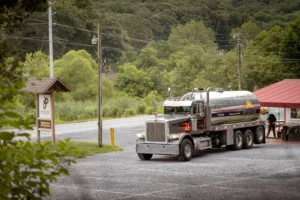
Options include conventional gravity, pressure-dosed, aerobic treatment units (ATUs), and packaged sewage treatment plants. Selection depends on daily flow, soil, area, groundwater, and waste strength.
| System Type | Description | Key Benefit |
|---|---|---|
| Conventional Gravity | Simple, soil-based treatment | Lower installation cost with good soils |
| Aerobic Treatment Unit (ATU) | Mechanical aeration, enhanced treatment | Higher effluent quality, smaller dispersal footprint |
| Packaged Sewage Treatment Plant | Self-contained, scalable system | Handles high flows, advanced treatment |
Conventional Septic Systems: Pros & Cons
Conventional systems are simple, gravity-fed, and have lower initial costs, ideal for sites with good soil and ample space. They are unsuitable for high groundwater, poor soils, or heavy FOG loads.
When ATUs Are Best
ATUs enhance waste breakdown, producing cleaner effluent for smaller drain fields, suitable for sites with poor soils or high water tables. They require power and more servicing but offer better long-term reliability.
Installing a Commercial Septic System
Installation begins with a site assessment (soil testing, groundwater, daily flow). Design involves tank sizing, distribution, and pretreatment. Permitting and township inspections are crucial.
Design Factors & Costs
Key design factors include daily flow, waste strength (FOG, BOD), soil percolation, groundwater, and maintenance access. Higher flows and stronger wastes increase costs.
Pennsylvania Permits
PA onsite system permitting involves PA DEP and local offices, requiring soil tests, site plans, and construction specifications. Local authorities manage permit issuance and inspections.
- Steps: Site evaluation, soil testing, design submission, township approval.
Maintenance Essentials
Regular maintenance prevents backups, protects drain fields, and minimizes downtime. Key practices include scheduled tank pumping, routine ATU inspection, and strict grease interceptor cleaning.
| Maintenance Item | Purpose | Recommended Interval |
|---|---|---|
| Tank Pumping | Removes sludge and scum | Every 3–12 months (load-dependent) |
| Grease Interceptor Cleaning | Prevents FOG buildup | Weekly to monthly (busy kitchens) |
| ATU Inspection | Checks aeration, pumps, alarms | Quarterly or per manufacturer |
Pumping & Inspection Frequency
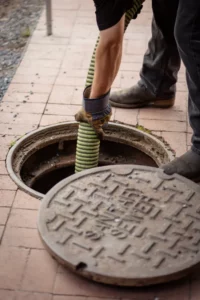
Pumping frequency (3-12 months) varies by tank capacity, flow, and waste strength; high FOG loads require more frequent service. Inspections should assess sludge/scum levels, distribution, pump operation, and alarms.
Common Problems & Repairs
Common issues include backups, foul odors, and saturated drain fields. Repairs range from pumping and component replacement to full drain field remediation. Early inspection and adherence to service schedules prevent extensive reconstruction.
Conclusion
Selecting and maintaining the correct commercial septic system protects operations, reduces regulatory risk, and saves costs. Contact Sonlight Services LLC for solutions.
Frequently Asked Questions
What is the main difference between a residential and commercial septic system?
Commercial septic systems are designed to handle significantly higher volumes of wastewater and often stronger waste (e.g., high FOG from restaurants) compared to residential systems. They typically require more robust components, advanced treatment, and more frequent maintenance.
How often should a commercial septic tank be pumped?
Pumping frequency for commercial septic tanks varies greatly depending on the system’s size, the volume of wastewater generated, and the type of waste. For high-volume or high-FOG businesses, pumping may be required every 3-6 months, while others might extend to 12 months. Regular inspections help determine the optimal schedule.
Are grease traps mandatory for commercial kitchens?
Yes, grease traps (or interceptors) are typically mandatory for commercial kitchens and any business that discharges fats, oils, and greases (FOG) into the wastewater system. They prevent FOG from entering and clogging the septic system or municipal sewer lines, which can lead to costly backups and environmental issues.
What are the signs that a commercial septic system needs attention?
Common signs include slow drains, sewage backups, foul odors inside or outside the building, gurgling sounds from plumbing, and unusually lush or wet spots in the drain field area. Any of these symptoms warrant immediate professional inspection.