Buying a Home with a Septic System: What to Know
Buying a home with a septic system requires understanding its operation, inspection importance, costs, and Pennsylvania regulations. Skipping a thorough inspection can lead to costly repairs and unexpected expenses. This guide covers essential basics, inspection priorities, costs, PA rules, and the pros and cons of septic ownership.
What Is a Septic System and Why Is Inspection Crucial Before Buying?
A septic system is an on-site wastewater treatment setup common in rural areas. It treats household wastewater via a septic tank and drain field. Understanding its function is crucial for buyers due to impacts on daily living, costs, and resale value. A proper inspection is vital to avoid large repair costs and health risks.
How Does a Septic System Work in Residential Properties?
Residential septic systems typically involve a septic tank, a drain field, and surrounding soil. Wastewater enters the tank, solids settle, and liquids flow to the drain field, where soil filters and treats it. Proper function of all parts is essential to prevent backups, odors, and contamination. Soil quality significantly impacts system performance and property value.
What Does a Septic System Inspection Checklist Include for Home Buyers?
A thorough septic inspection assesses system condition and remaining life, covering:
- Tank Condition: Cracks, leaks, damage.
- Pumping History: Maintenance records.
- Drain Field Assessment: Signs of failure (soggy patches, odors).
- Component Functionality: Baffles, filters, pumps, alarms.
This information aids in negotiations for repairs or price adjustments. A qualified inspector’s evaluation of design, operation, and maintenance is crucial before property transfer.
What Are the Typical Costs for Septic Tank Maintenance and Replacement in Pennsylvania?
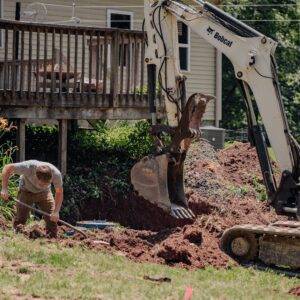
Septic care costs vary, but budgeting for routine maintenance prevents larger future expenses.
How Much Does Septic Tank Pumping and Maintenance Cost for Homeowners?
In Pennsylvania, septic tank pumping costs $250-$450, and routine annual maintenance (inspections, small repairs) is $100-$300. Budgeting for these keeps your system functional.
What Are the Estimated Costs for Septic System Replacement in PA?
Full septic system replacement in Pennsylvania can range from $25,000 to $60,000, depending on system type, soil, and complexity. Factor this into your budget for older systems.
What Are the Key Septic System Regulations Home Buyers Must Know in Pennsylvania?
Understanding Pennsylvania’s state and local septic regulations is crucial for compliance and to avoid unexpected obligations, protecting public health and water resources.
How Does Pennsylvania’s Sewage Facilities Act Affect Septic Systems?
Pennsylvania’s Sewage Facilities Act mandates that septic systems meet state design, installation, and maintenance standards. Permits are required for new systems and major repairs. Verify permits and repair history.
What Local Permits and Inspections Are Required When Buying a Home With a Septic System?
Key steps when buying include:
- Septic System Inspection: By a certified inspector.
- Permit Application: For major repairs or new installations.
- Compliance Verification: Ensuring local health and safety codes are met.
Understanding these processes facilitates the sale and ensures regulatory adherence.
What Are the Pros and Cons of Buying a Home With a Septic System?
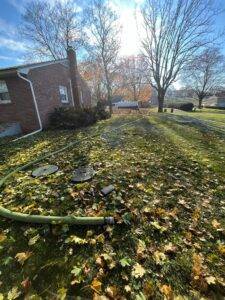
Septic systems offer both advantages and responsibilities; weigh these factors carefully.
What Are the Benefits of Owning a Home With a Septic System?
- Cost Savings: Avoid municipal sewer fees.
- Environmental Benefits: Efficient, low-impact wastewater management when properly maintained.
- Independence: Control over your own wastewater system.
What Are the Common Challenges and Risks Associated With Septic Systems?
- Maintenance Requirements: Regular pumping and inspections are essential.
- Potential for Failure: Costly repairs due to poor maintenance or site conditions.
- Property Value Impact: Can reduce resale value if failing or poorly documented.
These trade-offs require planning for maintenance, insurance, and budgeting. Aging systems can also have significant environmental impacts.
| Service Type | Average Cost | Frequency |
|---|---|---|
| Septic Tank Pumping | $250 – $450 | Every 3-5 years |
| Routine Maintenance | $100 – $300 | Annually |
| System Replacement | $25,000 – $60,000 | As needed |
This table highlights typical costs for septic services so you can budget for routine care and potential repairs or replacement.
Frequently Asked Questions About Septic Systems
What is the single most important step when buying a home with a septic system?
A thorough septic system inspection by a certified professional is crucial. This helps identify potential issues, estimate remaining lifespan, and inform negotiations for repairs or price adjustments.
How often should a septic tank be pumped?
Generally, septic tanks should be pumped every 3 to 5 years, depending on household size, water usage, and the tank’s capacity. Regular pumping prevents sludge buildup and potential system failure.
Buying a home with a septic system requires careful inspection, realistic budgeting, and adherence to local regulations. Being informed helps avoid surprises, aids negotiation, and ensures long-term care.