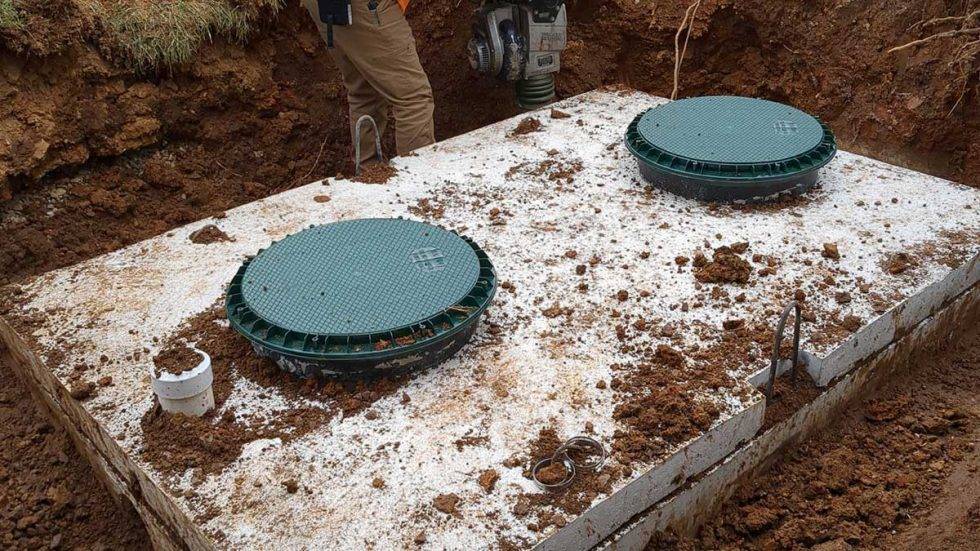
One of the most common questions we hear is:
“How long will it take for my septic tank to fill back up to operating level?”
You may have heard the myth that it takes three years for a septic tank to “fill.” But let’s break down the facts using real numbers.
Understanding Operating Level vs. “Full”
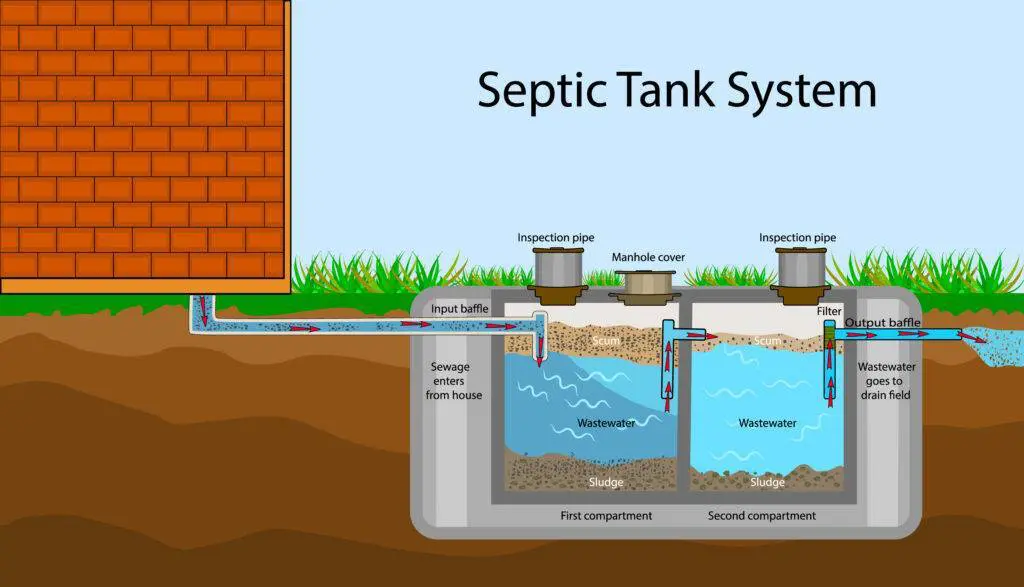
First, a septic tank is always full to its operating level; that’s how it’s designed to work. After a pump-out, the tank quickly refills with normal household wastewater until it reaches the outlet pipe level. This can happen within days, not years.
From there, liquids continuously flow out to the drain field or sand mound, while solids settle and begin to break down. The “three years” you’ve heard about is not the time it takes to fill; it’s the recommended maintenance interval to keep solids from building up and causing damage.
Let’s Do the Math
The U.S. Environmental Protection Agency estimates average water usage at about 70 gallons per person per day.
Household Size | Daily Water Usage | Days to Add 1,000 Gallons | Days to Add 1,500 Gallons |
2 people | 140 gallons | ~7 days | ~11 days |
4 people | 280 gallons | ~4 days | ~5–6 days |
6 people | 420 gallons | ~2–3 days | ~4 days |
Takeaway: Even a 1,500-gallon tank can reach its operating level in less than two weeks in a typical household.
This is why the idea that it takes three years to “fill” is a myth, the tank refills almost immediately.
How Different Systems Work
Typical Drain Field System
- Septic Tank: Separates solids (sludge) and grease (scum) from wastewater.
- Outlet Pipe: Allows only clarified liquid (effluent) to flow out.
- Drain Field (Leach Field): A network of perforated pipes buried in gravel trenches. Effluent slowly filters through the soil, which naturally removes pathogens and nutrients before reaching the groundwater.
Sand Mound System
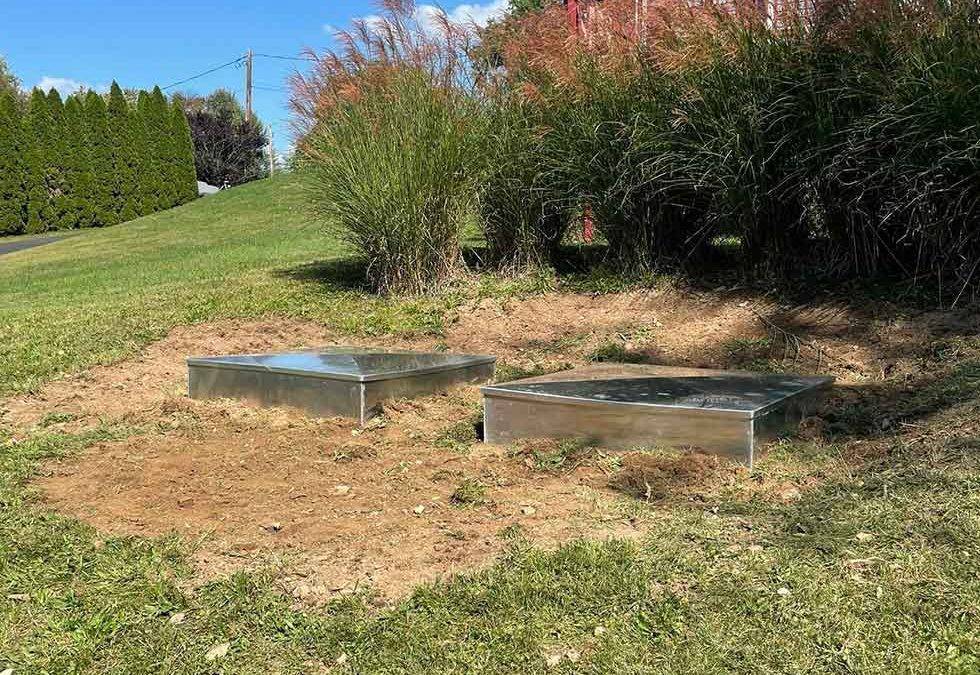
Used where the native soil is too shallow or the water table is high:
- Wastewater exits the septic tank and flows to a pump chamber.
- The pump distributes effluent across a sand mound built above the natural soil.
- The sand and underlying soil filter and treat the effluent before it percolates to the water table.
Both systems rely on healthy soil biology to clean the water and protect the environment.
Why Pump Every 3 Years
Even though liquids continuously flow out, solids and sludge stay behind and accumulate. If left unchecked, these solids can:
- Clog the drain field or sand mound, causing costly repairs
- Allow untreated wastewater to seep into the environment
- Contaminate the water table and local wells
Follow Local Regulations:
Your township may have its own pumping schedule requirements, which often range from every 3–5 years. Sonlight will complete and email the required pumping forms to your local township as part of our routine pumping and inspection service. This keeps you compliant and saves you the hassle of paperwork.
Sonlight’s Recommendation
- Don’t wait for problems. By the time you notice slow drains or odors, damage may already be done.
- Schedule routine maintenance every three years, or as required by your local township.
- Let us handle the paperwork. We’ll fill out and submit the township forms for you after every pump-out.
- Keep the environment and water table in mind. A well-maintained system keeps your property, and your community’s drinking water safe.
The Bottom Line
Your septic tank is designed to reach its operating level within days, not years. The three-year figure you’ve heard is about maintenance, not how long it takes to “fill up.”
Regular pumping, on the schedule your township requires, is the key to protecting your investment, avoiding costly repairs, and safeguarding our environment. Schedule septic pumping with Sonlight Services.
Have more questions about your system? Sonlight is here to help—because when you ask, we answer.