Septic vs. Public Sewer: Practical Pros, Cons, and Cost Guide for Pennsylvania Homeowners
For Pennsylvania homeowners, choosing between septic and public sewer impacts costs, maintenance, and site suitability. This guide outlines how each system works, costs, environmental aspects, and responsibilities.
Main Differences Between Septic Systems and Public Sewers
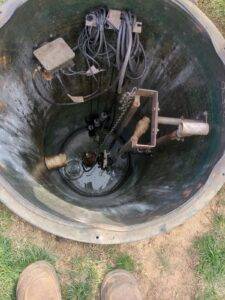
Septic systems treat wastewater on-site, with homeowners responsible for maintenance. Public sewers transport wastewater to a municipal plant, where the municipality maintains mains and treatment. Homeowners typically maintain their service lateral.
How a Septic System Works and Its Components
Septic systems use a tank to separate solids, then a drain field for soil microbe treatment. Solids are routinely pumped.
How a Public Sewer System Operates and Its Key Parts
Public sewers collect wastewater via home laterals that drain to a on-lot pump station which has a grinder pump installed, then into municipal pipes, sending it to a central treatment plant. Municipalities maintain mains and treatment; homeowners often maintain their on-lot pump station with a grinder pump.
Cost Differences Between Septic Systems and Public Sewers in Pennsylvania
Septic systems typically have higher installation costs but lower utility bills. Public sewer connections have smaller installation fees but regular monthly charges. Costs vary locally.
| System | Cost Category | Typical Range / Notes |
|---|---|---|
| Septic system | Installation (tank + field) | $25,000 – $60,000 depending on soil and site work |
| Public sewer | Connection / tap fees | $3,000 – $8,000 typical, variable by municipality |
| Both | Long-term expenses | Septic: pumping $300–$600 every 2–5 years; Sewer: monthly fees $30–$80 (varies) |
Poor soil or difficult sites increase septic costs. Sewer service involves steady monthly fees. Cost drivers include bedrock, high groundwater, and Act 537.
Environmental Impacts of Septic Systems vs. Public Sewers
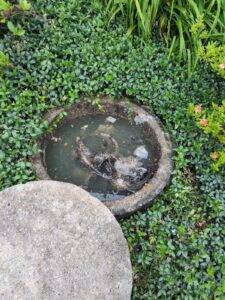
Well-maintained septic systems treat wastewater on-site, aiding groundwater. Failing systems leach pollutants. Centralized sewers reduce on-site contamination but concentrate energy/chemical use at plants, with overflow risks during storms.
- On-site benefit: Septic systems filter locally, recharging groundwater.
- Failure risk: Neglected systems release pollutants to wells/streams.
- Centralized trade-off: Municipal treatment reduces on-site risk but concentrates environmental costs at plants.
How Septic Systems Affect Groundwater and Local Ecosystems
Septic leach fields filter contaminants, recharging aquifers. Failing systems can pollute wells and surface waters. Watch for soggy fields, slow drains, or odors.
Environmental Considerations with Public Sewer Systems
Public sewers allow centralized treatment and nutrient removal but use energy/chemicals. Risks include infrastructure failures, combined sewer overflows, and storm-related system overloads.
Maintenance Requirements and Responsibilities
Septic homeowners must pump periodically and conserve water. Municipalities maintain sewer mains and plants; homeowners often maintain their service lateral. Regular maintenance prevents failures.
| Component / Task | Responsibility | Typical Interval / Who Pays |
|---|---|---|
| Septic tank pumping | Homeowner | Every 2–5 years; homeowner pays |
| Sewer main repairs | Municipality | As needed; municipality pays via budgets/fees |
| Service lateral repairs | Homeowner (often) | As needed; homeowner usually pays |
- Warning signs: Look for slow drains, sewage smells, or soggy drain fields.
- Pumping schedule: Pump every 2–5 years based on household size/tank volume.
- Water conservation: Stagger water use to reduce system strain.
Septic Tank Maintenance Needs and Pumping Schedules
Pump septic tanks every 2-5 years. Regular inspections, avoiding grease/harsh chemicals, and water conservation extend intervals.
Who Is Responsible for Public Sewer Maintenance?
Municipalities maintain sewer mains, pump stations, and treatment plants. Homeowners are usually responsible for their service lateral and should report problems promptly.
- Know your boundary: Confirm lateral responsibility.
- Report early: Promptly report backups or odors.
- Document inspections: Keep records for township and future buyers.
Frequently Asked Questions
What is the primary cost difference between septic and public sewer?
Septic systems typically have higher upfront installation costs, ranging from $25,000 to $60,000. Public sewer connections have lower initial tap fees ($3,000-$8,000) but involve ongoing monthly utility charges.
How often should a septic tank be pumped?
Septic tanks should generally be pumped every 2-5 years. The exact frequency depends on household size, tank volume, and water usage habits.
Who is responsible for maintaining the sewer line from my house to the street?
In most cases, homeowners are responsible for the maintenance and repair of their service lateral, which is the sewer line connecting their home to the municipal main.
Can a failing septic system harm the environment?
Yes, a failing septic system can release untreated wastewater into the ground, potentially contaminating local groundwater, wells, and surface waters with pollutants and pathogens.
Conclusion
The choice between septic and public sewer significantly impacts costs, maintenance, and environmental health. Understanding system function, responsibilities, and local rules (e.g., Act 537) is crucial. Contact Sonlight Services for guidance.